

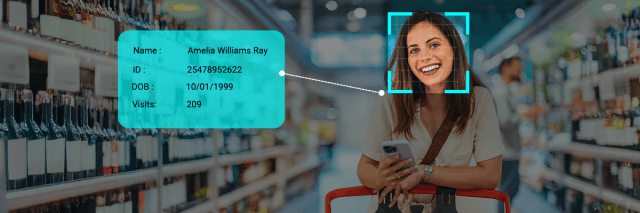
Fraud is rising. Regulations are tightening. And customers demand fast, secure transactions.
That's why identity verification solutions are the backbone for retailers, store owners, and brands. Whether you run an ecommerce store, tobacco shop, liquor outlet, or gaming platform, failing to verify identities can mean:
- Fines for breaking KYC/AML/GDPR rules.
- Lost revenue from fraudsters.
- Angry customers getting stuck in slow checkouts.
But with so many identity verification vendors in the market, how do you pick the right one?
Don't worry. We've got your back.
This easy checklist will help you compare online identity verification services and choose the best fit for your business. But first, let's check what identity verification is and its business impact.
Understanding Identity Verification and Its Business Impact
Why Do Identity Verification Solutions Matter More Than Ever?
Fraudsters are getting smarter. Regulations are getting stricter. Customers want fast, frictionless shopping.
That's why online identity verification services have become a game-changer for businesses – especially in age-restricted industries like:
Ecommerce (alcohol, tobacco, CBD)
Retail stores (liquor shops, convenience stores)
Gaming & lottery platforms
The Growing Identity Verification Market
The identity verification market is booming and expected to hit $18.6 billion by 2027, as stated in GlobeNewswire.
Why? Because businesses need secure, scalable identity verification tools to:
- Prevent fraud (fake IDs, stolen credentials)
- Meet KYC/AML laws (avoid heavy fines)
- Speed up checkouts (happy customers = more sales)
How the Identity Verification Process Works
Most top identity verification companies use a mix of:
- AI-powered scans – Checks IDs for tampering.
- Biometric matching – Compares selfies to ID photos.
- Database cross-checks – Verifies against government records.
The Business Impact: More Security = More Profit
Investing in the right identity verification vendors means:
- Higher revenue – Fewer blocked transactions.
- Lower risk – No underage sales fines.
- Better Customer Experience (CX) – No frustrating delays.
Core Criteria for Evaluating Identity Verification Vendors
Choosing the right identity verification solution is a big decision – pick wrong, and you risk fines, fraud, and frustrated customers. But with so many identity verification vendors in the market, how do you know which one is best for your business?
Here's a detailed breakdown of the key factors to consider before making your choice.
1. Compliance & Regulatory Support
Not all identity verification tools meet legal requirements. Your vendor must support:
- KYC (Know Your Customer) & AML (Anti-Money Laundering) laws
- The General Data Protection Regulation (GDPR) (for EU customers) & regional age-restriction laws
- Real-time updates when regulations change
Why it matters: Fail compliance = heavy fines or lost licenses.
2. Verification Capabilities & Accuracy
The best online identity verification services use:
- AI & machine learning – Detects fake IDs with near-100% accuracy
- Biometric checks – Compares live selfies to ID photos
- Document validation – Supports passports, driver's licenses, etc.
Look for: Low false rejection rates to avoid losing legitimate customers.
3. User Experience & Speed
If verification is slow, customers abandon checkout. Your identity scan solution should:
- Approve users in seconds (not minutes)
- Work on any device (mobile, desktop, in-store tablets)
- Offer simple retries if first scan fails
Pro Tip: FTx Identity's one-tap verification keeps conversions high.
4. Integration & Technical Fit
Will it work with your existing systems? Check for:
- Pre-built plugins (Shopify, WooCommerce, Magento)
- API flexibility (for custom platforms)
- POS compatibility
Red flag: Vendors that charge extra for basic integrations.
5. Data Privacy & Security
Customer data leaks = brand disaster. Ensure your vendor:
- Encrypts all data (in transit & at rest)
- Never stores sensitive info longer than necessary
- Complies with SOC 2, ISO 27001
Ask: "Where are your servers located?" (Avoid vendors in high-risk regions.)
6. Global Coverage & Localization
Selling internationally? Your identity verification process must:
- Verifies identities across multiple countries, including support for local ID types and regional formats
- Offer multi-language interfaces
- Adjust for regional laws (e.g., stricter EU age checks)
Example: A liquor store chain expanding to Europe needs GDPR-ready verification.
7. Fraud Prevention & Detection
Basic scans aren't enough. Top identity verification companies also provide:
- Behavioral analysis (detects suspicious patterns)
- Liveness detection (blocks photo spoofs)
- Blacklist screening (flags known fraudsters)
Result: Fewer chargebacks, more revenue.
8. Reporting, Auditability, & Ongoing Monitoring
You need proof of compliance for regulators. Look for:
- Real-time dashboards (track verification attempts)
- Custom reports (export for audits)
- Automated alerts (for suspicious activity)
Bonus: Proof of Verification feature creates a digital audit trail.
9. Pricing & ROI
Costs vary widely. Compare:
- Pay-per-scan vs. subscription plans
- Hidden fees (storage, API calls, support)
- ROI boosters
Smart move: Calculate fraud savings, not just upfront costs.
10. Support & Vendor Reputation
A great identity verification solution is useless if the vendor ghosts you. Check:
- 24/7 live support (not just email tickets)
- SLAs (Service Level Agreements) for uptime
- Customer reviews (G2, Capterra, Trustpilot)
Warning: Vendors with slow response times = risk during outages.
Common Pitfalls to Avoid When Choosing an Identity Verification Vendor
Picking the wrong identity verification solution can cost you time, money, and customers. Many businesses rush into decisions—only to regret them later.
Here are the biggest mistakes to avoid when evaluating identity verification vendors, so you don't fall into the same traps.
1. Lack of Compliance Certifications
Why it's risky:
If your vendor isn't certified, you could face legal penalties—not them.
Red flags:
- No GDPR, KYC/AML, or SOC 2 compliance
- Can't provide audit logs for regulators
- Doesn't update policies when laws change
Smart fix: Only choose top identity verification companies with proven compliance records.
2. Poor Fraud Detection Rates
Why it's risky:
Weak fraud prevention = more chargebacks, fines, and lost revenue.
Red flags:
- High false acceptance rates (let fraudsters slip through)
- No AI or biometric checks (relies only on manual review)
- Doesn't screen against global fraud databases
Smart fix: Ask for real-world fraud detection stats before buying.
3. No Global Coverage
Why it's risky:
If your identity verification tools don't support international IDs, you will lose global customers.
Red flags:
- Only works with U.S. driver's licenses
- Can't verify passports or foreign documents
- No multi-language support
Smart fix: Ensure your identity scan solution can verify IDs from around the world with confidence.
4. Unresponsive Customer Support
Why it's risky:
If verification fails at checkout, you need immediate help – not a 48-hour email response.
Red flags:
- No 24/7 phone support
- Slow SLAs (Service Level Agreements)
- Bad reviews about long resolution times
Smart fix: Test their support before signing a contract.
5. Opaque Pricing
Why it's risky:
Hidden fees can turn a "budget" solution into a money pit.
Red flags:
- No clear pricing page on their website
- Extra charges for API calls, storage, or updates
- Surprise annual price hikes
Smart fix: Demand full pricing breakdowns upfront.
Wrapping Up
Selecting the best identity verification vendor is a critical decision that impacts security, compliance, and customer experience. With fraud on the rise and regulations tightening, businesses can't afford to cut corners.
Key takeaways for retailers selling age-restricted products:
- Prioritize compliance – Only work with top identity verification companies that meet GDPR, KYC/AML, and industry-specific laws.
- Demand accuracy & speed – The best identity verification solutions use AI, biometrics, and real-time checks to prevent fraud without slowing down users.
- Verify global coverage – When working with international customers, it's important to choose an identity verification system that recognizes IDs from around the world.
- Avoid hidden costs – Compare pricing models and watch for extra fees in online identity verification services.
- Check vendor reputation – Read reviews, test support response times, and confirm uptime SLAs before committing.